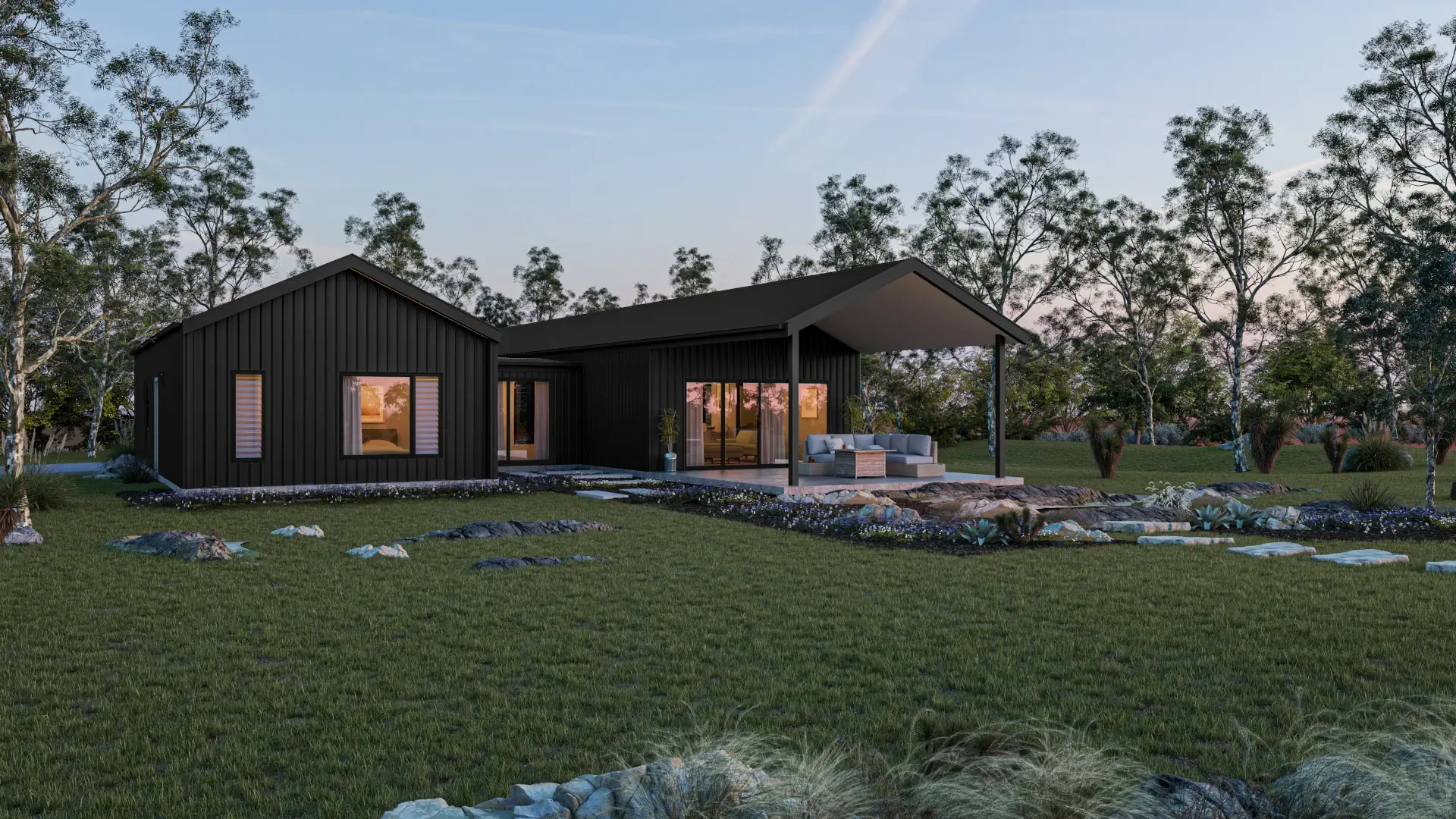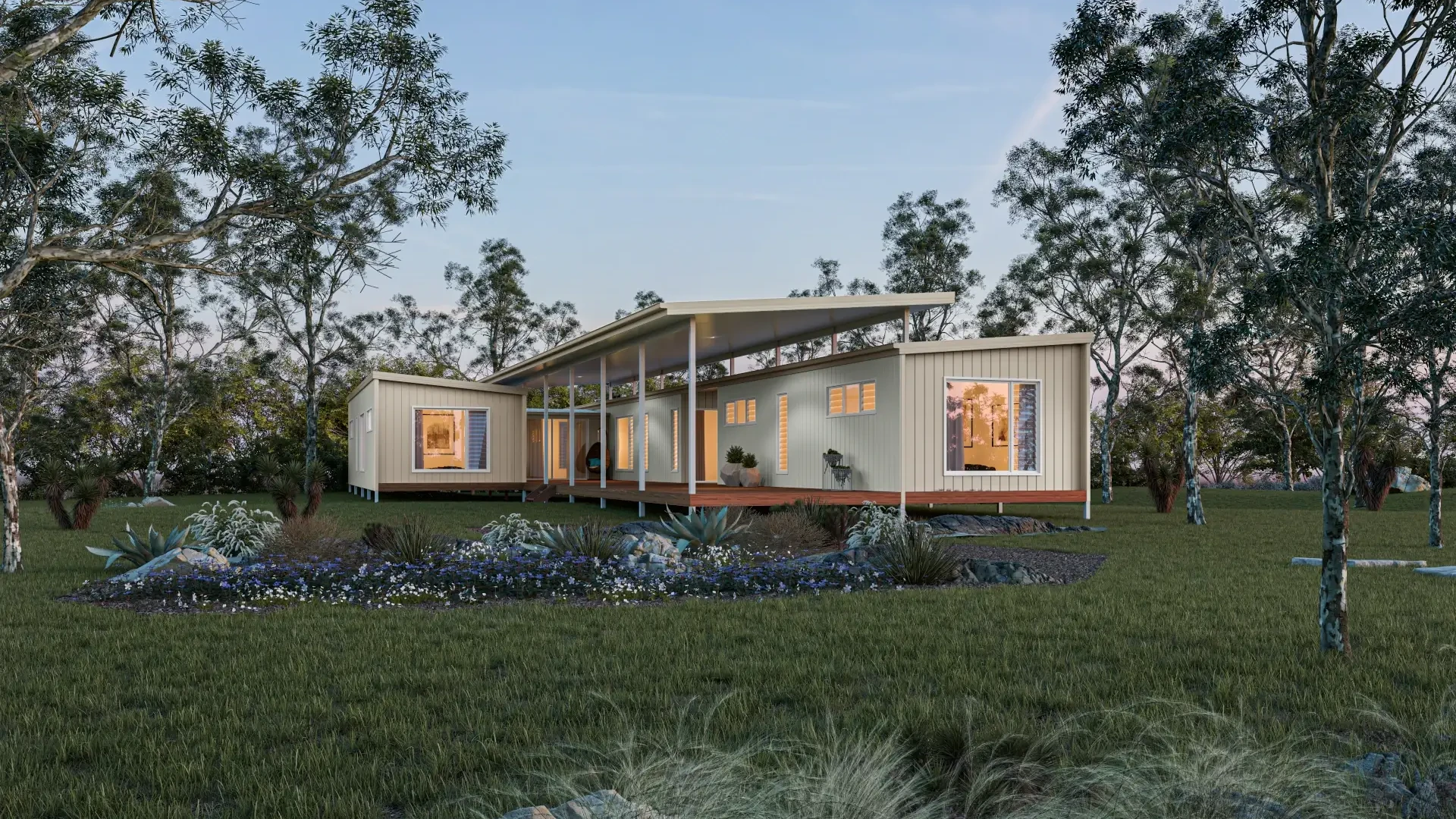
If you’re wondering whether you can build a granny flat in your backyard on the Sunshine Coast, the answer depends on your individual property and local planning requirements.
In many cases, secondary dwellings are possible — however zoning, overlays, access and site conditions all need to be assessed before moving forward.
If you’re exploring granny flats on the Sunshine Coast, understanding these factors early will help you plan with confidence.
What Is Considered a Granny Flat?
A granny flat (often referred to as a secondary dwelling) is a self-contained living space located on the same lot as an existing home.
It is typically:
- Separate from the main dwelling
- Designed for independent living
- Smaller than the primary residence
Specific definitions and requirements can vary depending on your property and local planning controls. For guidance relevant to your site, it’s best to review current regulations or contact us for more information.
What Determines If You Can Build One?
There is no one-size-fits-all answer. Approval pathways depend on several property-specific factors.
1. Zoning & Planning Controls
Your property’s zoning and any applicable overlays influence whether a secondary dwelling may be considered.
Planning controls can affect:
- Building location on the lot
- Setbacks from boundaries
- Site coverage
- Height allowances
- Environmental considerations
Because planning requirements can change, we recommend confirming your property’s current status before committing to design.
If you’re considering building a granny flat on the Sunshine Coast, a preliminary site assessment is the safest first step.
2. Block Size & Layout
Your backyard must physically accommodate the proposed dwelling while maintaining required clearances and open space.
Factors that may influence feasibility include:
- Available usable land
- Existing structures
- Easements
- Service connections
- Driveway access
Even compact blocks may be suitable with the right design approach — but each property should be assessed individually.
3. Access to the Site
Access is an important practical consideration that can influence how a granny flat is constructed.
For example:
- Is there side access?
- Will materials need to be craned over the home?
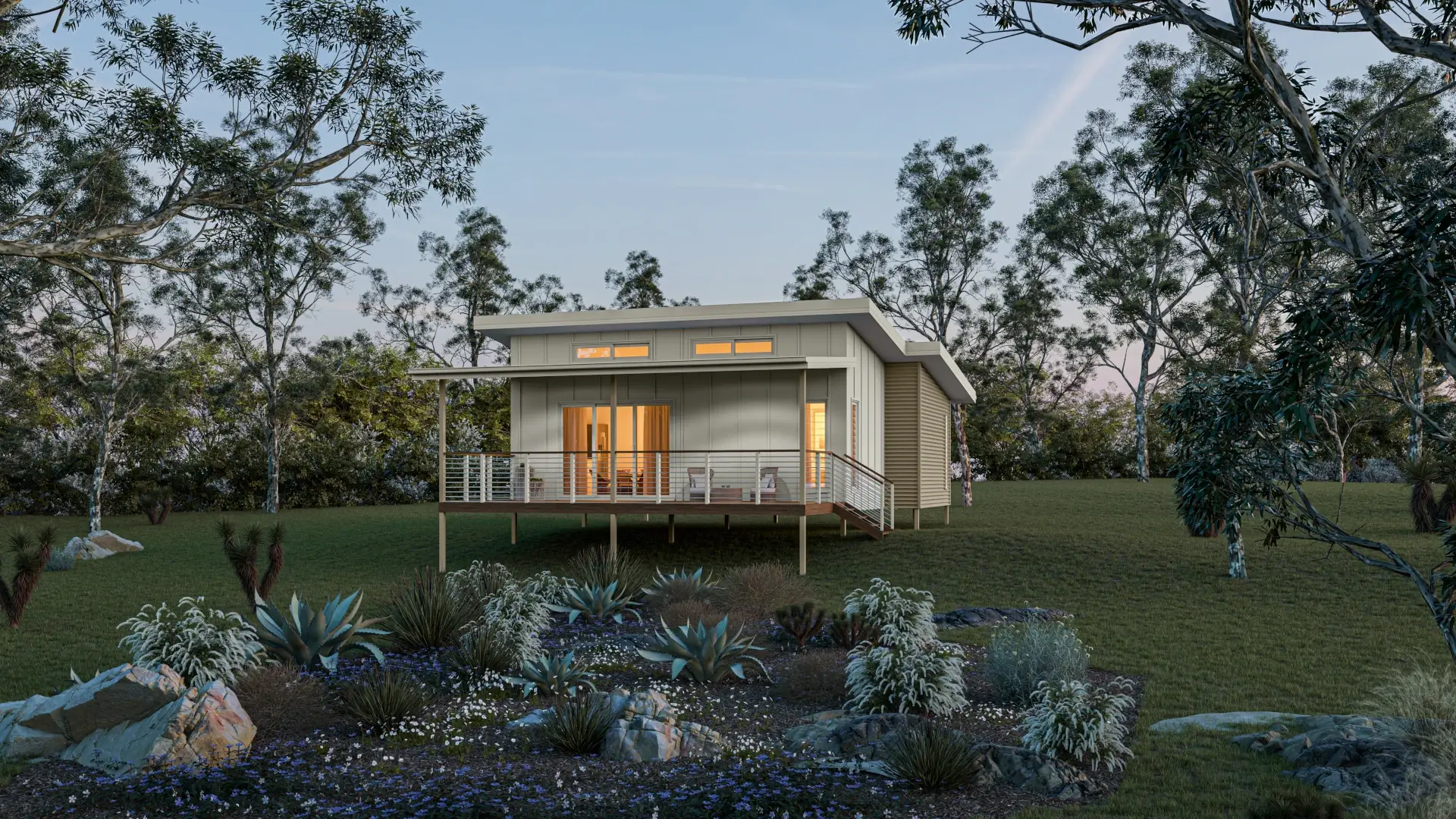
- Is the block sloping or elevated?
Limited access does not necessarily prevent construction, but it may affect build methodology and design decisions.
4. Sloping or Challenging Sites
The Sunshine Coast region includes many sloping and elevated blocks.
If your property has a gradient, additional engineering and structural considerations may be required. This is common in hinterland and coastal areas.
If you're looking to build granny flats on the Sunshine Coast, particularly on sloping sites, tailored design and engineering solutions are often part of the process.
For more details on building on challenging blocks, you can explore related information on our website or contact us directly.
5. Building Approval & Compliance
In addition to planning considerations, secondary dwellings generally require appropriate building approvals and compliance documentation.
This may involve:
- Structural engineering
- Soil classification
- Energy efficiency requirements
- Building certification
Approval processes and requirements vary depending on the site and design.
For clarity on what applies to your property, we recommend discussing your situation with an experienced Sunshine Coast granny flat builder who understands local processes.
Can Granny Flats Be Used for Rental Purposes?
Usage conditions can vary depending on zoning and planning controls.
Before making decisions based on rental assumptions, it’s important to confirm what applies to your specific property. Regulations and compliance requirements may differ between areas.
Many homeowners explore secondary dwellings for:
- Extended family accommodation
- Flexible living arrangements
- Guest space
- Potential income opportunities (subject to approval)
For guidance specific to your circumstances, please contact us for more information.
Common Reasons Homeowners Consider a Granny Flat
Across the region, property owners investigate secondary dwellings for a range of lifestyle reasons, including:
- Multi-generational living
- Independent space for family members
- Future flexibility
- Increasing usable living area
A well-designed, council-compliant solution can provide long-term adaptability — but suitability always depends on the individual property.
How Do You Find Out If Your Block Qualifies?
The only way to determine whether you can build a granny flat in your backyard is to assess:
- Your zoning
- Applicable overlays
- Lot dimensions
- Site conditions
- Access constraints
Because every block is different, generic online advice can only go so far.
If you're researching Granny Flats Sunshine Coast, we recommend reviewing the information on our website and completing our enquiry form to receive our brochure pack. This outlines design options, considerations and indicative guidance relevant to local builds.
Alternatively, contact us directly to discuss your property in more detail.