

When building on a sloping block, one of the most important early technical assessments is a slope stability report. For anyone working with experienced sloping block builders on the Sunshine Coast, Caboolture, Noosa, or Gympie, this report plays a critical role in determining whether a site is safe and suitable for construction.
At The Shed House, we regularly work with engineers and geotechnical specialists to ensure every sloping block is properly assessed before design and construction begins. This helps create safer homes, more efficient designs, and better long-term outcomes for homeowners building on challenging terrain.
What Is a Slope Stability Report?
A slope stability report is a geotechnical engineering assessment that evaluates how stable a sloping block of land is and whether it is at risk of movement, erosion, or land slip.
It examines the physical characteristics of the soil, ground conditions, groundwater movement, and the steepness of the site to determine how the land will behave under the weight of a proposed structure.
In simple terms, it answers one key question:
Can this sloping block safely support a home without the risk of ground movement or failure?
For sloping block builders on the Sunshine Coast and surrounding regions, this report is a critical foundation for safe and compliant construction.
Why Slope Stability Reports Are Important
Sloping blocks across the Sunshine Coast, Noosa Hinterland, Caboolture acreage areas, and Gympie rural properties often feature varying soil types, gradients, and drainage conditions.
Without proper assessment, these factors can lead to:
-
Soil movement or subsidence
-
Landslip risk on steep sites
-
Drainage and erosion issues
-
Structural instability over time
-
Increased engineering costs later in the build
A slope stability report helps identify these risks early, allowing designers and engineers to create safer, more appropriate building solutions.
At The Shed House, we use these reports to guide decisions around:
-
Building placement on the block
-
Structural design requirements

-
Retaining wall needs
-
Excavation limits
-
Foundation and footing design
-
Suspended floor systems
When Is a Slope Stability Report Required?
A slope stability report is typically required when building on sites with moderate to steep gradients or where soil conditions may present a risk.
Across regions like Sunshine Coast, Caboolture, Gympie, and Noosa, it is commonly required when:
-
The block has a significant slope
-
The site is in a landslip risk zone
-
There is known unstable or reactive soil
-
The development involves cut-and-fill earthworks
-
The home is positioned on elevated or hillside terrain
-
Council or certifier requests geotechnical assessment
Experienced sloping block builders will usually recommend completing this report early in the design process to avoid costly changes later.
What the Report Assesses
A slope stability report is prepared by a geotechnical engineer and typically includes:
-
Soil classification and composition
-
Groundwater conditions
-
Slope angle and terrain analysis
-
Risk of erosion or land movement
-
Load-bearing capacity of the soil
-
Recommendations for footing systems
-
Requirements for retaining structures
-
Site preparation guidelines
This information helps engineers and builders design a safe and suitable foundation system for the home.
How It Impacts Sloping Block Design
The findings of a slope stability report directly influence how a home is designed and constructed.
For sloping block builders on the Sunshine Coast, Noosa, Caboolture, and Gympie, this often determines whether the home will use:
-
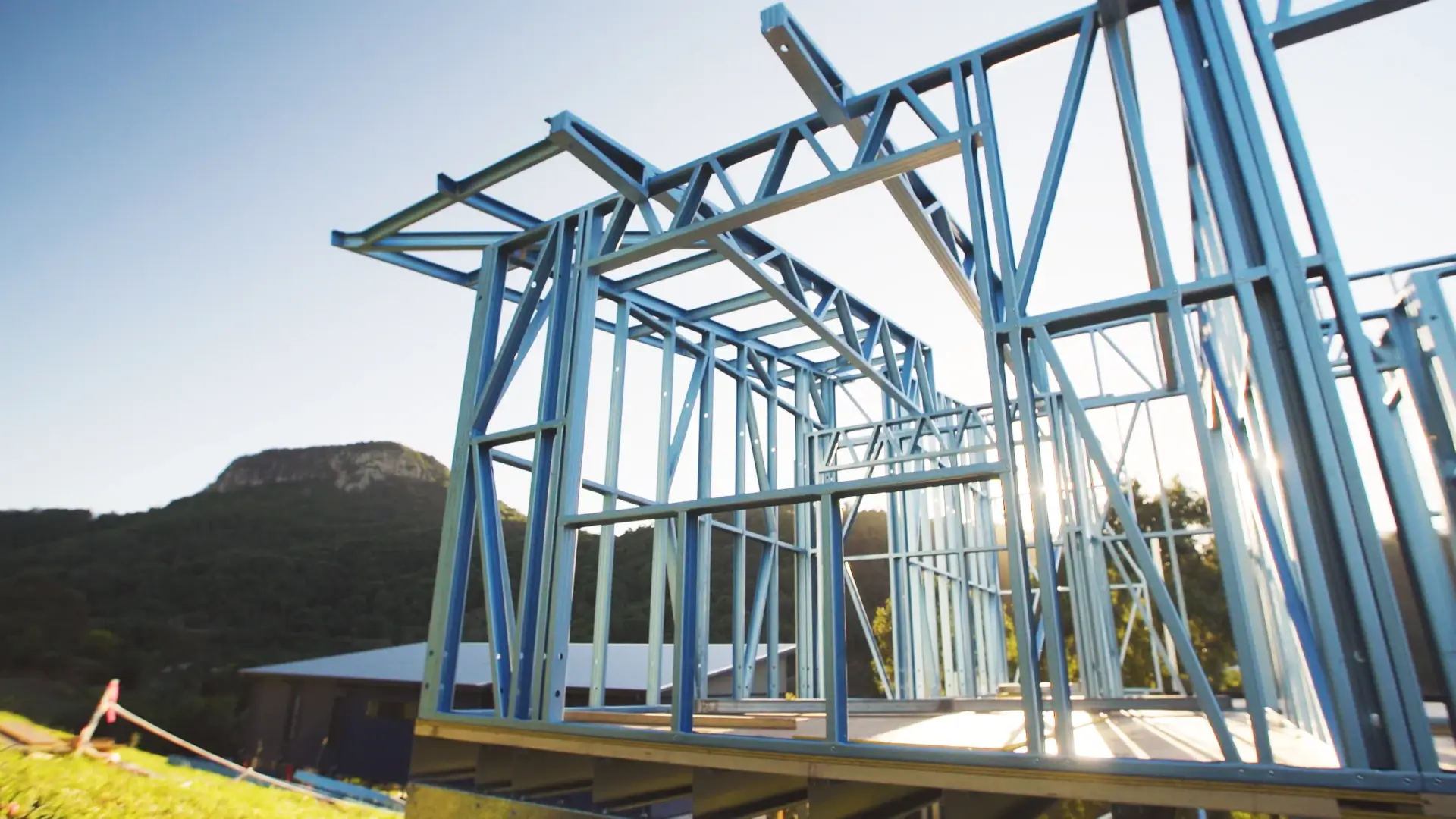
Suspended steel floor systems
-
Steel post and beam structures
-
Split-level designs
-
Retaining wall systems
-
Deep footing solutions
-
Cut-and-fill adjustments
On steeper blocks, the report often supports elevated construction methods that reduce excavation and work more naturally with the land.
This is particularly common in hinterland areas of the Sunshine Coast and rural Gympie where terrain can vary significantly across a single site.
How It Helps Reduce Construction Risk
One of the biggest advantages of completing a slope stability report early is risk reduction.
By understanding site conditions upfront, builders can avoid unexpected issues during construction such as:
-
Excessive excavation requirements
-
Unstable ground conditions
-
Retaining wall failures
-
Drainage complications
-
Foundation redesigns
This leads to a smoother building process and helps ensure the home is structurally sound for the long term.
Supporting Safe Construction on Sloping Blocks
For sloping block builders, safety is always a priority. A slope stability report ensures that every design decision is backed by engineering data rather than assumptions.
This is especially important in areas such as:
-
Sunshine Coast Hinterland
-
Noosa rural and elevated sites
-
Caboolture acreage properties
-
Gympie hillside and rural blocks
Each of these regions presents different geological and environmental conditions that must be carefully considered before construction begins.
Building Smarter on Sloping Blocks
Sloping blocks offer incredible opportunities for views, airflow, and lifestyle living — but they also require the right planning and engineering approach.
At The Shed House, we work closely with geotechnical engineers, certifiers, and designers to ensure every project starts with the right foundation information. As experienced sloping block builders on the Sunshine Coast, Caboolture, Noosa, and Gympie, we understand how important it is to get the early site assessment right.
A slope stability report is not just a technical requirement — it is a critical step in ensuring your home is safe, compliant, and designed to perform well on challenging terrain.
If you are planning to build on a sloping block, understanding your site conditions early will help create a smoother, safer, and more efficient building journey.