
Owner Builder Guide · Queensland
Why become a Queensland owner builder?
Taking on an owner builder project in Queensland is one of the most rewarding ways to build a home — but it also comes with real responsibility. This is the complete guide to the process, written for kit & shed home owner builders across South East Queensland.
Section 01
The benefits of owner building
Choosing to manage your own build comes with real financial and personal advantages — provided you go in prepared.
01
Financial Savings
Licensed builders typically charge a 15–25% margin on top of build costs. For a $300,000 kit home, that's $45,000–$75,000 — money that goes straight back into your build, or your pocket.
02
Total Control
Choose every tradesperson yourself — the concretor your neighbour used, the electrician your family trusts, the carpenter recommended locally. Your standards, your decisions.
03
Customisation
Working directly with your designer and trades means you're in every decision. Layout, finishes, fixtures — nothing gets substituted without your sign-off.
04
Personalisation
Owner builders end up with homes that are genuinely unique — investing in the features they love and saving in the areas that matter less.
Section 02
The keys to success
The difference between a smooth owner builder project and a stressful one comes down to preparation, communication, and knowing when to ask for help.
01
Get Qualified
Complete an approved Queensland owner builder course before applying for your QBCC permit. Permit fees start at $113.40 for projects up to $100,000.
02
Educate Yourself
Read the QBCC Owner Builder Study Guide, talk to people who've done it, and understand construction sequencing — footings before framing, lock-up before lining.
03
Insurance
Owner builder (contract works), public liability, and workers' compensation where applicable. Always sight certificates from every trade.
04
Plan
Engineered, certified plans plus a full build sequence — what happens before what, which trades depend on others, and your critical path.
05
Budget
Get multiple quotes per stage and add a 10–15% contingency. Factor permits, inspections, insurance, certifier fees and service connections.
06
Listen
Take advice from your engineer, certifier and experienced trades — they've seen the same problems before.
07
Schedule
Major trades may need 4–8 weeks' notice. Update them often — last-minute reschedules damage relationships and push you back months.
08
Management
You're the project manager. Be firm, fair, consistent. Address small issues early and keep written records.
09
Communication
The single biggest factor in project success. Use written communication for anything important and maintain one source of truth.
Section 03
Owner builder responsibilities in Queensland
When you become an owner builder, you take on the legal responsibilities a licensed builder would otherwise carry. The QBCC is clear: you are fully accountable for the build.
Administration
Lodge applications, approvals and inspections. Keep a complete project file — disclosure is required if you sell within 6.5 years.
This is one reason many owner builders choose to work with an experienced kit supplier from the start.
Estimating
Provide accurate project value estimates for the QBCC and your insurer. Underestimating leaves you underinsured.
Scheduling
Sequence work correctly so mandatory inspections occur at the right stages. Missing inspections means reopening completed work.
Site Supervision
Be present (or have a competent person present) during critical stages. Manage access, safety and compliance with approved plans.
Quality Control
Check every stage against approved plans and Australian Standards before the next stage begins.
WHS
Under the Work Health and Safety Act 2011 (Qld) you maintain a safe work environment and ensure all licensed trades hold current credentials.
Section 04
The owner builder building process
The Shed House has developed a structured process to help owner builders through each stage of their build.
Step 01
Choosing your professional consultants
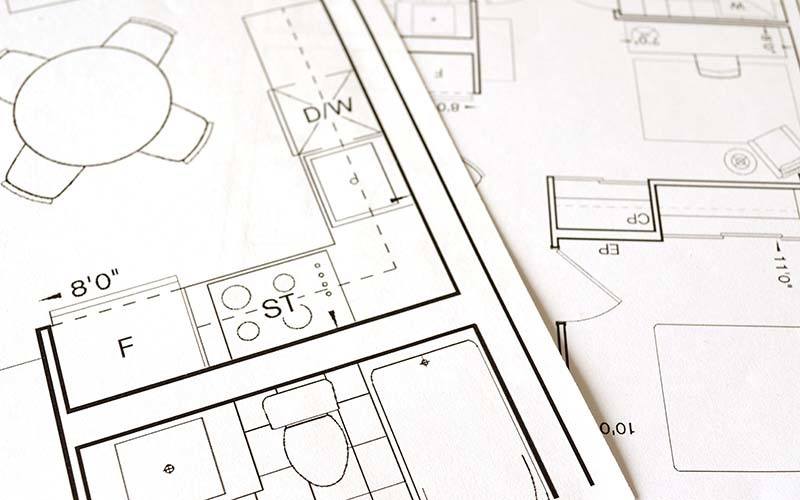
Before a single piece of ground is broken, you need your professional team in place. For a kit home or shed home build in Queensland, your consultants typically include:
- Designer / Draftsperson
- Soil Tester (Geotech)
- Waste Management Consultant
- Structural Engineer
- Surveyor
- Building Certifier
The Shed House provides structural engineering as part of every kit-home package, and we can point you to certifiers familiar with steel-frame construction.

Step 02
Choosing your building materials
One of the major advantages of building with The Shed House is that core structural materials — your steel frame, roofing, cladding and windows — are selected as part of your kit specification. The fit-out is where your home becomes yours.
Structural & weathertight
Engineered steel Truecore frame
Colorbond® cladding & roofing
Windows, doors, glazing
Insulation specification
Interior fit-out
Wall lining, paint, tiling
Plumbing & electrical fixtures
Floor coverings, cabinetry
Appliances & window furnishings
See the full specification of what's included in every Shed House kit or browse our standard design ranges to see how these materials come together.
Step 03
Choosing your trade professionals
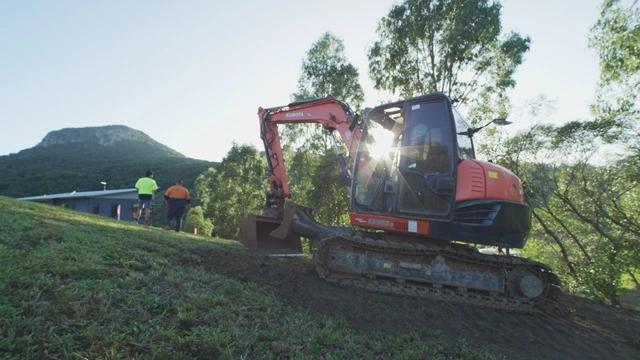
Once your plans are approved and materials specified, you need to assemble your trade team — quoted, contracted and scheduled in the right sequence.
Civil & structural
Site works expert
Concretor
Frame installer
Roofer
Fit-out trades
Painter, kitchen installer
Floor installer, tiler
Plumber (rough-in & second fix)
Electrician (rough-in & second fix)
The Shed House Tip — ask every trade for their lead time before you finalise your build schedule.
On sloping or difficult sites, trade sequencing is even more critical.
A concretor needing 6 weeks and a framer needing 4 means your schedule needs to be locked at least 6 weeks before your slab is ready.
Section 05
Recommended resources
The QBCC, the Owner Builder Club, and our team — three places to keep close while you plan your build.
QBCC Owner Builder Study Guide
The official reference for Queensland owner builders. Step-by-step process information, legal obligations and mandatory compliance checklists for each stage of construction.
Owner Builder Club
Independent practical advice, forums, and access to the Queensland owner builder course ($185, payable on passing). Resources from people who've been through the process.
The Shed House — Owner Builder Support
Years of supporting owner builders across the Sunshine Coast, Noosa, Gympie, Moreton Bay and the SEQ hinterland. Pre-engineered kit homes designed to make the process manageable.
Faq
Frequently asked questions
You don't need a builder's licence, but you do need an Owner Builder Permit issued by the QBCC. To get the permit you must first complete an approved owner builder course, then apply with the relevant fee and project details.
As of 2025, the QBCC owner builder permit fee is $113.40 for projects valued up to $100,000, with a higher fee for larger projects. The owner builder course itself is around $185 through approved providers.
Yes — but if you sell within 6.5 years of practical completion you must disclose the build and provide a defects inspection report by a licensed building inspector.
All regulated work — electrical, plumbing, gas fitting and structural work — must be done by licensed contractors with their own certificate of currency.
A typical 150–200m² kit-home build with a competent owner builder might take 9–18 months from permit to practical completion, depending on site complexity and management.
Yes — kit homes with a steel portal frame are well-suited to sloping blocks. The Shed House's suspended steel floor system is particularly popular on hinterland and coastal acreage blocks.
Get Started Today
Our friendly team are ready to speak with you to discuss your project scope.