
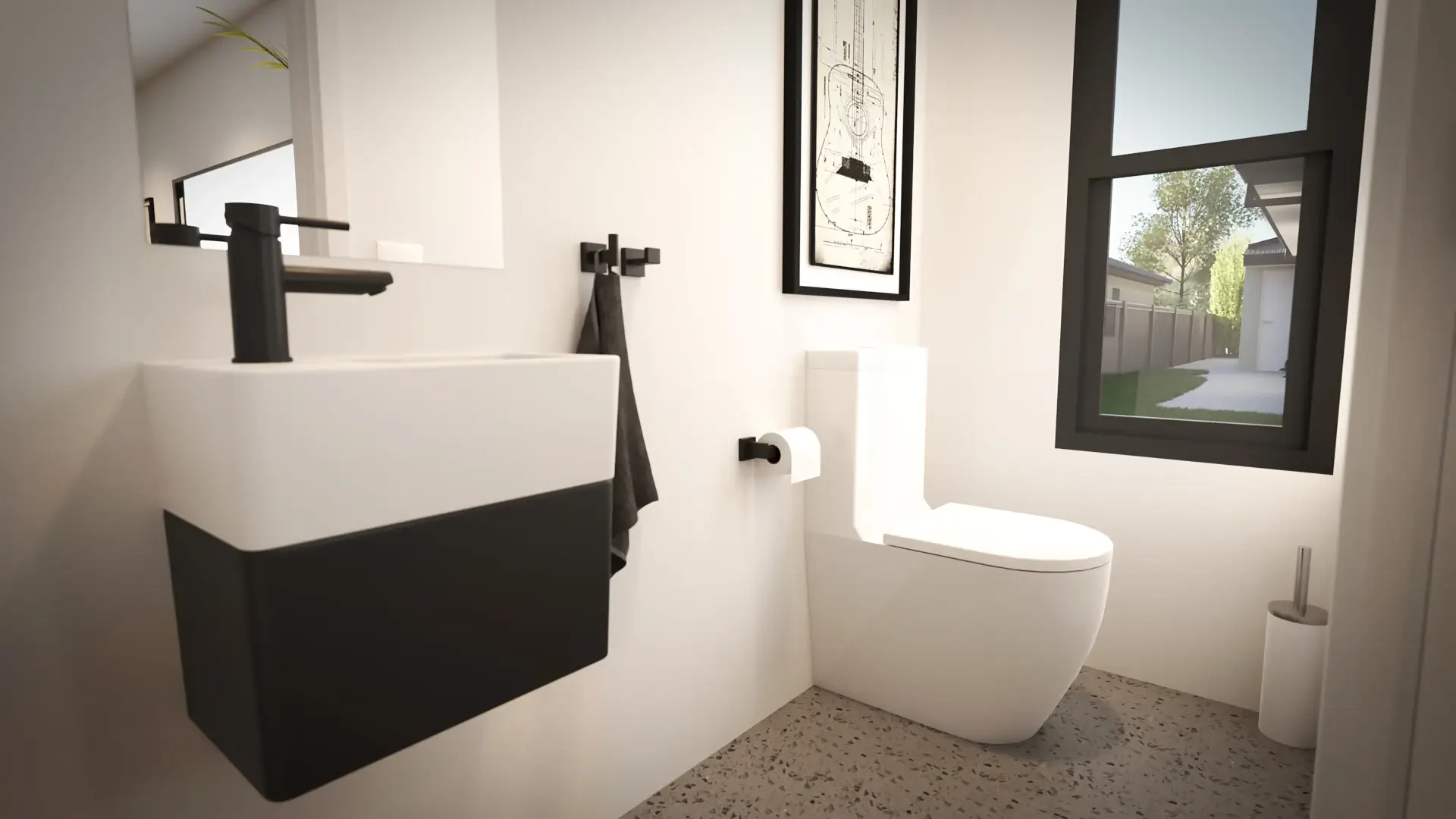
You have space in your backyard and a clear goal. Now you need to choose the right structure. A home office, teenage retreat, guest space, or rental granny flat all make sense. But each option leads to a different type of build.
The main difference between a backyard pod and a granny flat on the Sunshine Coast comes down to building classification. A backyard pod is simpler and easier to build. However, you cannot legally use it as a separate dwelling. A granny flat requires more approvals and stricter construction. In return, it can generate income and add recognised value to your property. This guide helps you choose the right option before you commit to a design.
The Fundamental Difference: Building Class and Legal Use
A backyard POD usually falls under Class 10a of the National Construction Code. This class covers non-habitable structures like sheds and garages. You cannot use a Class 10a building as a permanent home. You also cannot rent it out or list it as a self-contained accommodation.
A granny flat, also called a secondary dwelling, falls under Class 1a. This class applies to habitable residential buildings. A Class 1a structure meets full residential standards. In Queensland, current planning rules allow you to rent it to tenants. You may also use it for short-term accommodation, depending on council rules.
This classification drives most of the key differences. It affects approvals, construction requirements, and property value. If you choose the wrong class, you limit how you can use the structure in the future.
Approval Requirements: What Each One Needs to Get Built
A Class 10a backyard POD has simpler approval requirements. In some cases, you may not need formal approval. This depends on the size and placement on your block. If the structure meets setback and zoning rules, you can often proceed with minimal paperwork. Larger or more complex builds may still require permits. For a clear breakdown, see common questions about backyard pods and secondary dwellings.
A Class 1a granny flat always requires building approval. A licensed certifier must assess the design before construction starts. On the Sunshine Coast, many secondary dwellings qualify as Accepted Development. This means you may not need a Development Application if your design meets the rules. However, you must still meet full compliance standards. These include fire safety, plumbing, access, and boundary setbacks.
Cost Comparison: What to Expect for Each Option
A backyard POD sits at the lower end of the build spectrum. The final cost depends on size, materials, and finishes. Adding plumbing or higher-end inclusions will increase the total. You can choose anything from a simple studio to a more refined guest space.
A granny flat involves a larger build scope. It must include a kitchen, bathroom, and laundry. It also requires full structural engineering and compliance. As you add design, approvals, and trades, the overall investment increases.
You may also face extra costs. These can include infrastructure charges or service connections. The exact requirements depend on your block and local council rules.
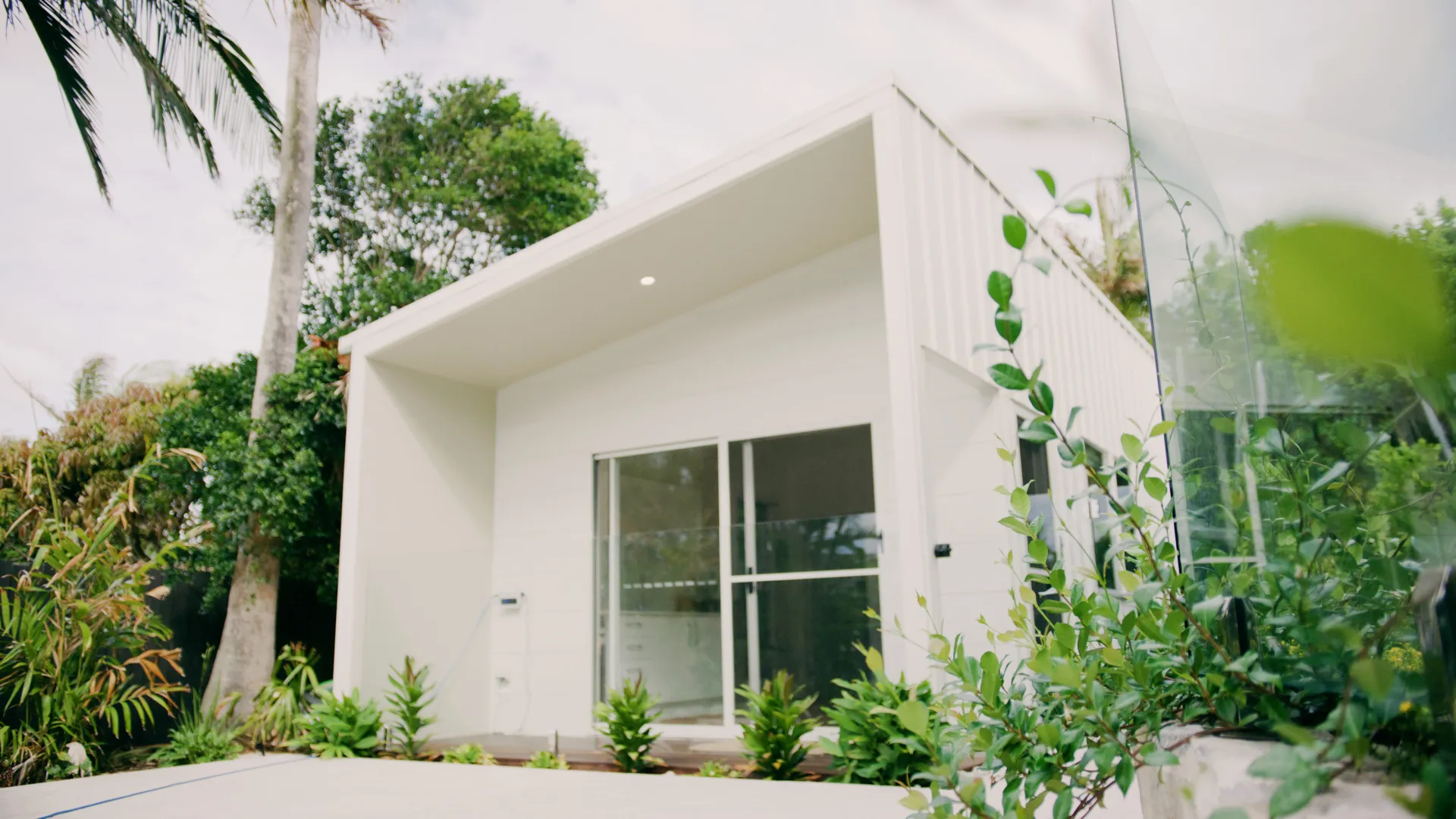
What a Backyard POD Can and Cannot Be Used For
A Class 10a backyard POD offers flexible use. You can set it up as a home office, studio, gym, or retreat. It also works well as a hobby space or pool house. Many owners use it for short stays by family and friends.
Design plays a big role in how the space feels. Large windows and sliding doors bring in natural light. They also create a strong indoor-outdoor connection, which suits Sunshine Coast living.
However, clear limits apply. You cannot rent out a Class 10a POD as a dwelling. You also cannot list it as a self-contained rental. It cannot serve as a permanent residence. If you need any form of ongoing living or income use, you must build to Class 1a standard. The POD Range — versatile backyard structures from home offices to guest retreats shows what is possible within Class 10a.
When a Granny Flat Is the Right Call
A granny flat suits owners who want rental income. A compliant Class 1a dwelling can generate consistent returns. It works as a long-term investment rather than just extra space.
It also suits permanent living arrangements. This includes family members, tenants, or live-in carers. Any long-term occupancy requires a Class 1a structure.
A certified secondary dwelling can also increase property value. It adds a recognised residential building with rental potential. On larger Sunshine Coast blocks, this can improve both usability and appeal.
Local planning rules often support secondary dwellings in suitable zones. This makes the approval process more accessible than many expect. For more detail, see granny flat options on the Sunshine Coast and what the approval involves.
Which Option Fits Your Block?
Your choice depends on how you plan to use the space. It also depends on your block, zoning, and site constraints.
If you want extra lifestyle space, a backyard POD is often the better fit. It works well for offices, studios, and guest use. If you need a fully independent living space, choose a granny flat.
To explore your options, visit backyard solutions for Sunshine Coast properties for auxiliary structures. For compliant dwellings, review the granny flat pages. If you want tailored advice, send an enquiry to discuss which option suits your property. Include your block details and intended use to get started.