

Caloundra offers a different version of Sunshine Coast living from the acreage and hinterland communities further inland. Here, the appeal is being close to beaches, cafés, schools, shops and established neighbourhoods, often with walking and cycling routes woven into everyday life.
For buyers considering living in Caloundra, that convenience can make the area an excellent place to build a long-term home. However, coastal living also changes the design conversation. Blocks are often more compact, nearby homes can affect privacy and solar access, and salt-laden air and exposed winds may influence material selections.
Building a home in Caloundra is therefore not just about choosing a coastal-looking façade. It is about designing for the block, the neighbourhood and the conditions that come with living near the ocean.
This guide covers the Caloundra lifestyle, local amenities, the types of blocks you may encounter and the practical factors to investigate before building.
Caloundra at a Glance
| Lifestyle factor | What to expect |
|---|---|
| Setting | Established coastal communities, beaches, waterways and newer residential areas |
| Everyday convenience | Schools, supermarkets, shops, healthcare, cafés and restaurants within the wider Caloundra area |
| Outdoor lifestyle | Swimming, surfing, fishing, walking, cycling, parks and waterfront recreation |
| Typical blocks | A mix of older suburban lots, knockdown-rebuild sites, compact infill blocks and newer estate lots |
| Key design priorities | Privacy, orientation, shade, ventilation, outdoor living, storage and efficient use of space |
| Coastal build considerations | Salt exposure, wind classification, corrosion-resistant materials, drainage and property-specific overlays |
What Is It Like Living in Caloundra?
The Caloundra lifestyle combines the convenience of an established regional centre with easy access to the coast.
Rather than one uniform suburb, the broader Caloundra area includes a collection of neighbourhoods with different characters. Kings Beach, Moffat Beach, Dicky Beach, Shelly Beach, Golden Beach, Currimundi, Aroona, Battery Hill, Little Mountain and Pelican Waters each offer a different balance of beach access, block type, elevation and proximity to shops and services.
That variety matters when buying land or considering a knockdown rebuild. A home near an exposed headland may face different wind and salt conditions from a property further inland. An established street near the beach may offer mature trees and character but involve a tighter site. A newer community may provide a more regular block, although setbacks, estate covenants and neighbouring development can still shape the design.
In practical terms, living in Caloundra can mean being able to reach the beach, school, shops and cafés without making every outing a major trip. It suits buyers who want a coastal routine but still need the services and infrastructure of a well-established community.
Beaches, Waterways and the Outdoor Lifestyle
Caloundra’s coastline is one of its biggest drawcards, but the experience changes from one beach to the next.
Kings Beach is known for its patrolled swimming area and waterfront facilities. Moffat Beach and Dicky Beach have a relaxed local character, with cafés and surf culture forming part of the neighbourhood. Shelly Beach provides a quieter coastal setting, while Bulcock Beach and Golden Beach face the calmer waters of the Pumicestone Passage.
For many residents, the coast becomes part of the weekly routine rather than somewhere reserved for holidays. Morning walks, swimming, surfing, fishing, paddling and time at waterfront parks can all fit naturally around work and family life.
Walking and cycling are also important parts of the area. The Sunshine Coast Coastal Pathway links beaches, parks and local destinations along much of the coastline. Around Caloundra, completed sections connect areas including Golden Beach, Bulcock Beach, Kings Beach, Moffat Beach, Dicky Beach and Currimundi.
This is one of the practical differences between coastal and hinterland living. In many parts of Caloundra, outdoor recreation is available close to home and does not always require a drive.
Shopping, Cafés and Restaurants
Caloundra functions as a complete local centre rather than a small beachside village.
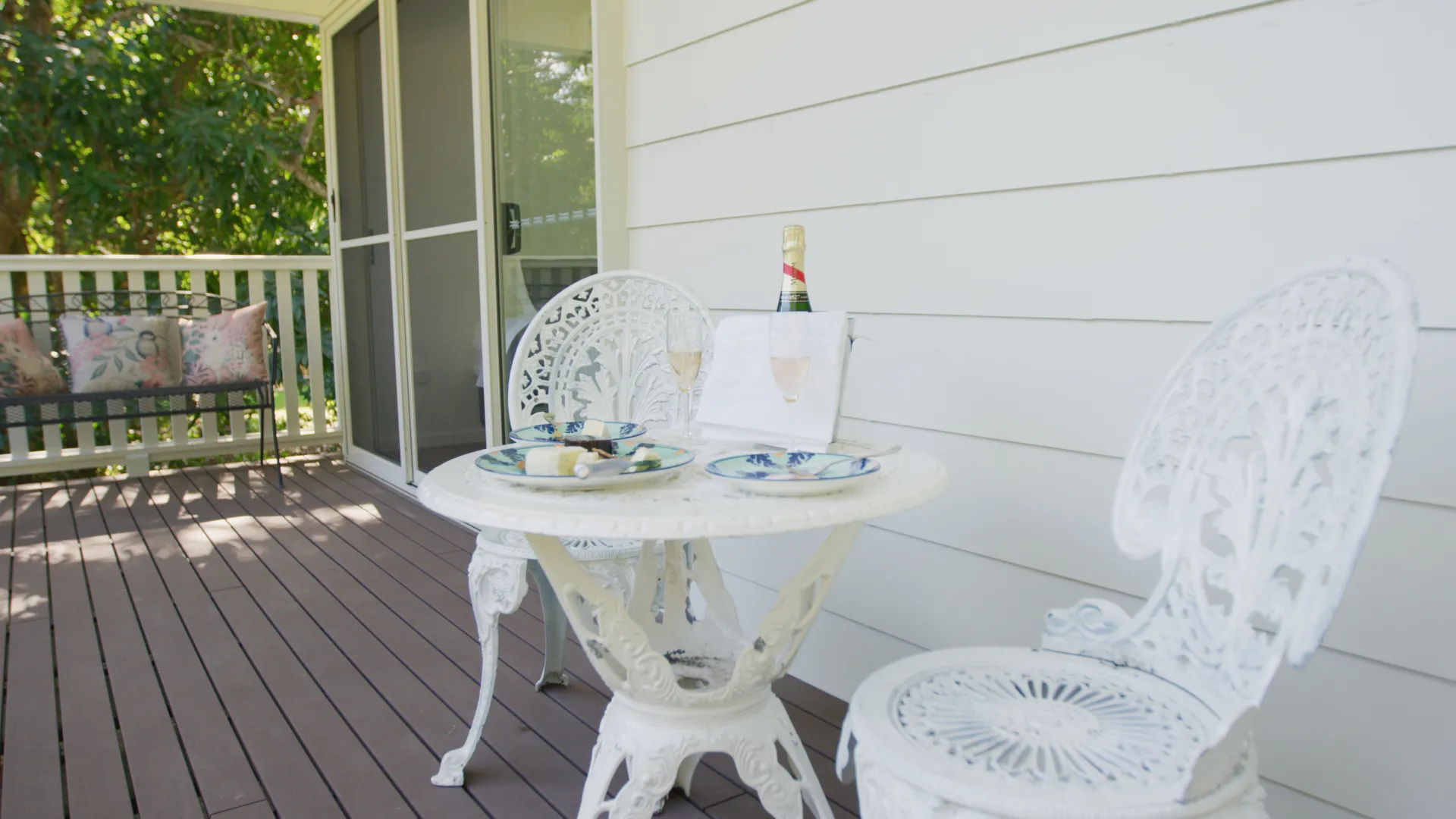
Bulcock Street and the surrounding town centre provide local shops, professional services, cafés and dining. Supermarkets and larger retail centres cover everyday needs, while the waterfront areas around Bulcock Beach, Kings Beach and Moffat Beach offer a broad mix of casual dining, coffee shops and restaurants.
The benefit for residents is choice. You can live in a quieter suburban street while remaining close to shopping and services, or choose a more central location where cafés, the beach and parts of the town centre may be accessible on foot or by bike.
As with any coastal destination, traffic and parking can become busier during weekends, school holidays and major events. If you are assessing a property near a popular beach or dining precinct, visit at different times rather than judging the street from one weekday inspection.
Schools and Education in the Caloundra Area
Families have access to public and private schooling across the wider Caloundra area.
Local options include Caloundra State School and Caloundra State High School, along with schools serving surrounding communities such as Golden Beach, Currimundi, Meridan Plains and Pelican Waters. There are also independent and faith-based schools in and around Caloundra.
The right option will depend on the child’s year level, the property’s address, the school’s catchment and current enrolment requirements. School boundaries and capacity can change, so families should confirm arrangements directly with the school and check the current Queensland Government catchment information before committing to a property.
It is also worth testing the school run in practice. A short distance on a map can feel very different during peak-hour and school traffic, particularly around busy coastal roads.
Getting Around Caloundra and the Sunshine Coast
Caloundra is connected to the rest of the Sunshine Coast through Nicklin Way and other major coastal roads, while Caloundra Road provides access towards the Bruce Highway and inland communities.
Local bus services connect parts of Caloundra with surrounding suburbs and regional destinations. However, the usefulness of public transport varies by neighbourhood and schedule, so many households still rely on a car for work, school and larger shopping trips.
Within individual neighbourhoods, walking and cycling can be a genuine advantage. A property close to a pathway, local shops or the beach may reduce the number of short car trips a household makes each week.
When comparing blocks, think beyond the commute to work. Consider access to schools, medical appointments, sport, supermarkets and the places you expect to visit regularly. Those smaller trips often have the biggest effect on day-to-day convenience.
Established Neighbourhoods Versus Newer Communities
One of Caloundra’s strengths is the range of residential settings available. The trade-off is that no single description applies to every block.
Established coastal neighbourhoods
Older areas can offer mature streetscapes, established services and strong access to beaches and town facilities. Buyers may find original homes suitable for renovation, demolition or replacement, as well as occasional vacant or subdivided sites.
Building in an established neighbourhood may require careful planning around:
demolition and site clearing
existing sewer, stormwater and other service locations
narrow streets or restricted construction access
neighbouring windows and outdoor areas
established trees and vegetation
setbacks, easements and planning overlays
the character and scale of surrounding homes
A knockdown-rebuild site can be an excellent opportunity, but the existing house should not distract from what lies beneath or around it. Service searches, a site survey, soil testing and planning checks are essential before the new design is developed.
Newer estates and residential areas
Newer communities may offer more regular lot shapes, newer infrastructure and clearer residential layouts. However, these blocks are often compact and may be subject to building envelopes, design guidelines or estate covenants in addition to normal planning and building requirements.
On a smaller block, every metre matters. Garage access, bins, clothes drying, outdoor storage, side access, landscaping and privacy all need to be resolved alongside the floor plan—not fitted into whatever space remains.
What Are Building Blocks Like in Caloundra?
Caloundra blocks range from relatively level suburban lots to elevated sites with ocean or hinterland outlooks. Some established properties are generous by modern standards, while infill and newer estate lots can be narrower and more compact.
From a builder’s perspective, block size is only one part of the assessment. Shape, slope, orientation, street frontage, access, easements, services and neighbouring development can have just as much influence on the final home.
For example, a wide but shallow block may call for a very different layout from a narrow site with a long northern boundary. An elevated property may capture breezes and views but require site-specific wind engineering. A flat block can simplify some parts of construction but still involve poor drainage, fill or difficult service locations.
This is why it is risky to choose a house plan before understanding the land. The better sequence is to assess the property first, identify the usable building area and then adapt the design to suit it.
Building a Home in Caloundra: Coastal Factors to Consider
The main site concerns around Caloundra are not identical to those on a rural hinterland block. Coastal exposure, nearby development and efficient use of a smaller site often take greater priority.
Salt exposure and material durability
Salt carried in coastal air can accelerate corrosion and affect roofing, cladding, flashings, gutters, fasteners, fixtures and other exposed metal components.
Distance from the shoreline matters, but it is not the only consideration. Prevailing winds, elevation, shelter from other buildings and direct exposure to surf conditions can all influence how much salt reaches a property.
Material specifications should therefore be based on the actual site rather than a general assumption that every Caloundra property has the same exposure. Roofing and cladding products, coatings and fasteners need to be compatible with one another and suitable for the relevant environment.
Coastal durability also depends on maintenance. Salt deposits, trapped debris, damaged coatings and incompatible metals can shorten the life of otherwise appropriate materials. Product warranties and cleaning requirements should be understood from the start.
Wind classification and engineering
Coastal homes can experience strong winds, particularly on elevated or exposed sites.
Wind classification is property-specific. It can be affected by regional wind conditions, terrain, shielding and topography, so two nearby blocks do not necessarily receive the same outcome.
The engineer’s assessment may influence structural connections, bracing, tie-downs, windows, doors, roofing and other parts of the building envelope. Large openings and wide doors can be excellent for indoor-outdoor living, but they still need to work within the engineering and weatherproofing requirements of the home.
The wind assessment should happen early enough to inform the design and specifications—not after the layout and product selections have already been finalised.
Drainage, flooding and coastal hazards
Being near the coast does not automatically mean a property is flood affected, and being further from the beach does not guarantee it is free from drainage constraints.
Low-lying land, overland flow, local drainage, storm tide and coastal hazard mapping may be relevant depending on the address. These factors can influence floor levels, earthworks, stormwater design and where a home can be positioned.
Sunshine Coast Council’s MyMaps property mapping is a useful starting point, but online mapping is not a substitute for property-specific planning, surveying and engineering advice.
Neighbours, privacy and overlooking
On compact or established blocks, privacy must be designed from the beginning.
Simply adding large windows to capture light and breezes can create direct views into neighbouring homes—or allow neighbours to look straight into yours. Window height, sill level, screening, landscaping and room placement can help maintain privacy without making the home feel closed in.
Outdoor areas need the same consideration. A deck or patio works best when it has a useful relationship with the kitchen and living area, while remaining reasonably protected from street noise, neighbouring properties and harsh weather.
Construction access and existing services
Established coastal streets were not always laid out with modern construction equipment and material deliveries in mind.
Before building, consider where trades will park, how materials will enter the site and whether there is room for equipment, storage and waste management. Overhead lines, street trees, narrow access points and neighbouring structures can all affect build sequencing.
Existing sewer, water, stormwater and electrical infrastructure also need to be located early. An easement or service line running through the preferred building area can force major changes to a plan.
Designing a Coastal Home for Caloundra
A good coastal home design should respond to how the household will actually live, not simply repeat visual features associated with beach houses.
Make the most of a smaller block
Efficient planning becomes especially important when the site is narrow or compact.
Open-plan living can reduce wasted circulation space, but it still needs clearly defined areas for cooking, dining, relaxing and storage. Bedrooms should be positioned for privacy, while laundries, pantries and built-in storage need enough room to function properly.
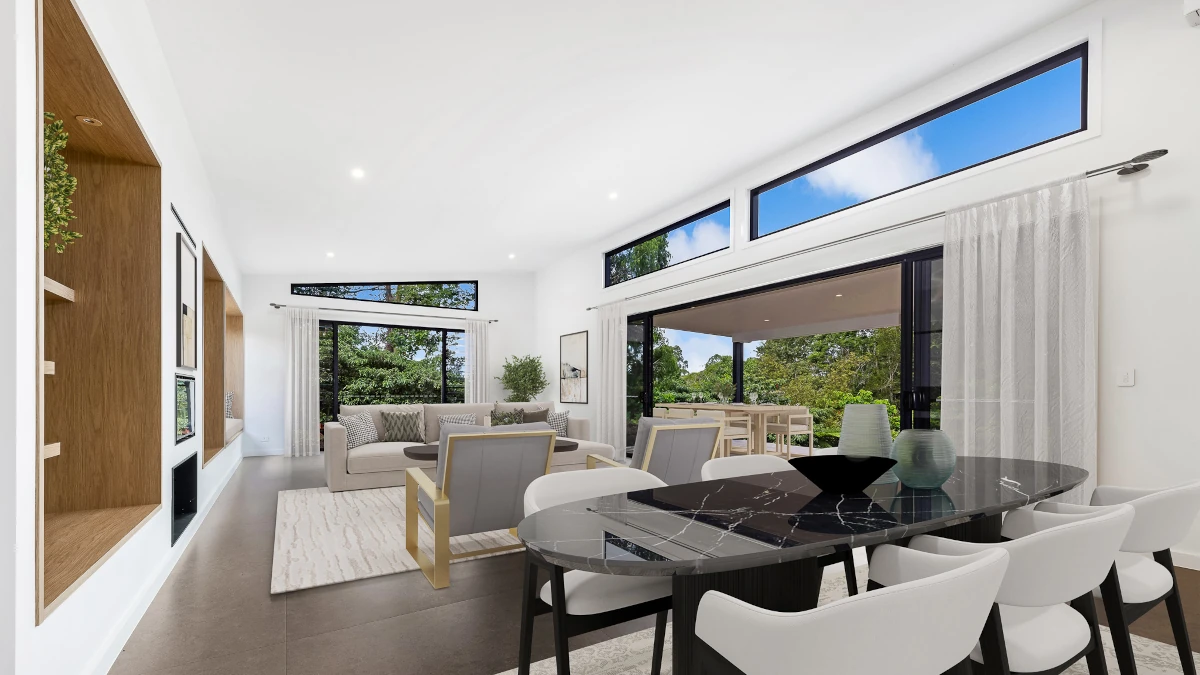
Raked ceilings can add volume without increasing the building footprint. Carefully placed windows can bring in light and improve cross-ventilation. Flexible rooms can serve as a home office, guest room or second living area as family needs change.
The goal is not to make the plan as small as possible. It is to ensure the space being built is useful.
Design outdoor living as part of the home
Outdoor living is central to the Caloundra lifestyle, but an uncovered deck facing the wrong direction may be uncomfortable for much of the day.
Consider:
morning and afternoon sun
protection from summer heat and driving rain
prevailing breezes and stronger weather
privacy from neighbours and the street
the connection between the kitchen, living area and outdoor space
room for shade, seating, a barbecue and landscaping
durable, maintainable decking and external finishes
A well-positioned covered deck or patio can act as another living area. It may also shade internal rooms and make it easier to manage glare and heat.
Capture breezes without losing weather protection
Cross-ventilation can improve comfort and reduce reliance on mechanical cooling when conditions are suitable. The usual approach is to provide openings on different sides of a room or living zone so air can move through the home.
However, coastal breezes can also carry salt and wind-driven rain. Window and door placement, eaves, screens and covered outdoor areas should balance ventilation with weather protection.
Orientation should also account for solar exposure. A house designed only around a view may receive excessive western sun or miss better opportunities for winter light.
Choose a design that suits the neighbourhood and block
Caloundra can accommodate a broad range of architectural styles, from compact contemporary homes to designs with simple shed-inspired forms.
The right choice depends on the site. A straightforward roof form can support efficient drainage and reduce unnecessary junctions. High ceilings can improve the feeling of space, while a clear structural layout may make it easier to adapt the home to a narrow or irregular block.
You can explore The Shed House family home designs and shed home designs for examples of flexible layouts, raked ceilings and indoor-outdoor connections. Any design still needs to be assessed and adapted for the property’s coastal exposure, planning requirements and usable building area.
What to Check Before Buying Land or Committing to a Design
Before purchasing a property or moving too far into design, investigate:
Zoning and overlays: Check the current planning controls for the exact address.
Flood and coastal hazard information: Review relevant mapping and seek professional advice where needed.
Survey and boundaries: Confirm dimensions, levels, easements and encroachments.
Soil and site conditions: Arrange the investigations needed to inform footing and engineering decisions.
Wind and salt exposure: Identify the likely classification and material implications.
Services: Locate sewer, stormwater, water, power and telecommunications infrastructure.
Site access: Consider demolition, deliveries, machinery, parking and material storage.
Orientation: Review sun, breezes, views, street frontage and neighbouring development.
Estate requirements: Check building envelopes, covenants or design guidelines where applicable.
Whole-of-project scope: Allow for site works, external works, landscaping, driveways and service connections—not just the house itself.
The objective is not to find a block with no constraints. Most properties have some. The important part is understanding them early enough to make informed decisions.
Is Caloundra the Right Place for You to Build?
Caloundra is well suited to buyers who value beach access, established amenities and an outdoor lifestyle but do not want to give up the convenience of schools, shops, healthcare and local services.
The trade-off is that coastal blocks often require disciplined design. Smaller sites leave less room for wasted space, established neighbours make privacy more important, and exposed conditions may require more careful material and engineering decisions.
For the right household, those constraints are manageable. A home designed around the block can provide natural light, ventilation, practical outdoor living and the durability needed for long-term coastal conditions.
Thinking About Building in Caloundra?
Living in Caloundra offers a practical coastal lifestyle with beaches, pathways, schools, shopping and dining close to home. Building there successfully starts with understanding how the individual property differs from the broader postcode.
Salt exposure, wind, drainage, access, services, privacy and orientation should all be investigated before the plan is finalised. Once those factors are clear, the home can be designed to make efficient use of the site and support the way you want to live.
The Shed House designs and builds homes across the region, with an approach that starts with the land and adapts the home to suit it. Learn more about working with our Sunshine Coast builders or contact our team to discuss your block and building plans.
Get Started Today
Our friendly team are ready to speak with you to discuss your project scope.