
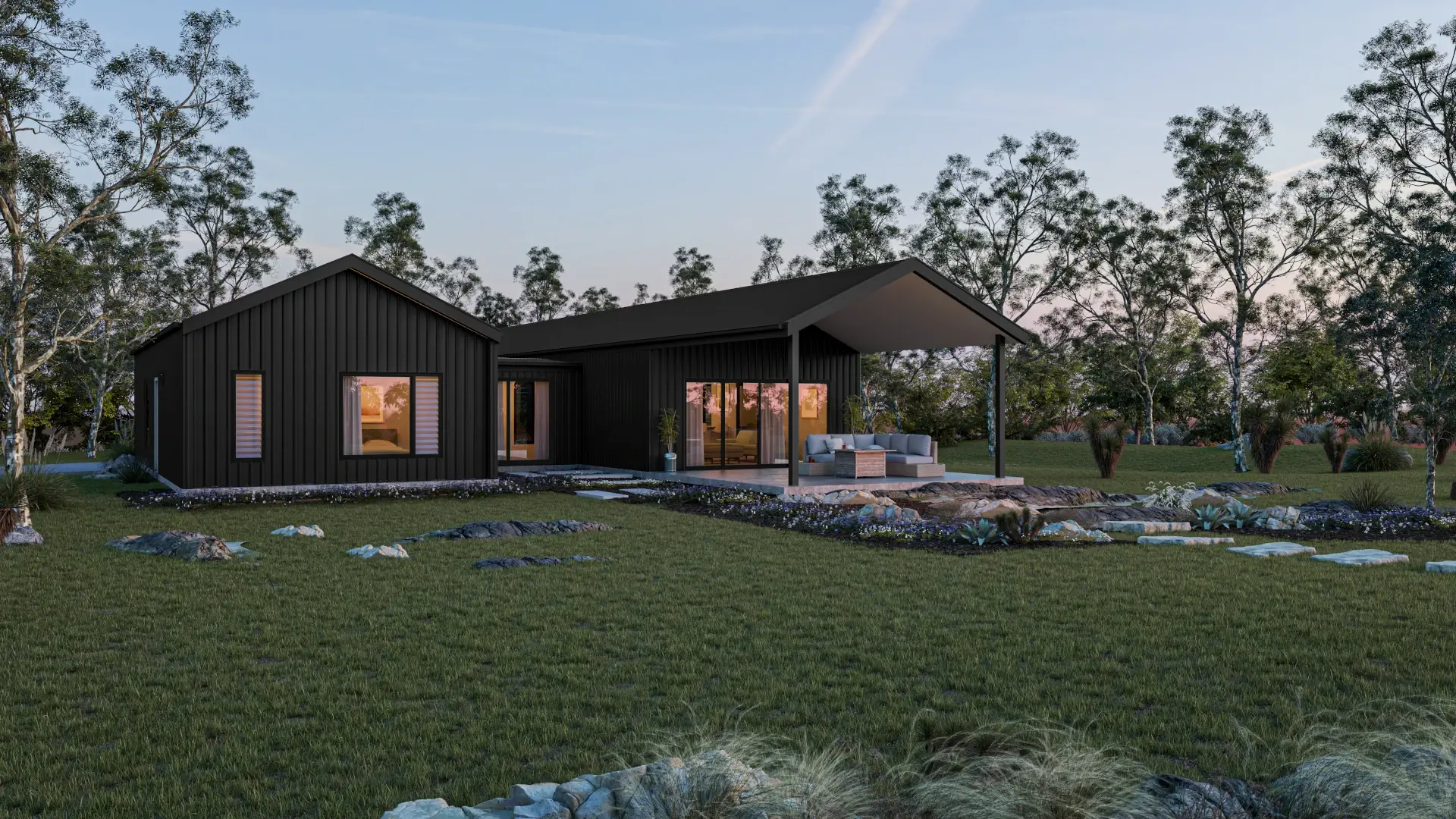
If you’ve started researching a second home on your property, you’ve probably come across three terms that sound like they mean the same thing: granny flat, secondary dwelling, and dual occupancy.
They’re often used interchangeably in everyday conversation, but from a planning point of view, there are some important differences.
Here’s the simple version: a granny flat is a *type* of secondary dwelling. Dual occupancy is a different planning category altogether.
Understanding the difference matters because it can affect your approval pathway, the conditions that apply to your build, and how you can use the finished dwelling.
In this guide, we’ll break down each term so you know what you’re dealing with before speaking to a builder or council.
Secondary Dwelling: The Planning Term You’ll See Most
Secondary dwelling is the planning term you’ll commonly see used by Queensland councils, including Sunshine Coast, Gympie, and Noosa.
It describes a second, self-contained dwelling built on a property that already has a primary home.
A secondary dwelling generally:
Sits on the same title as the main house, with no subdivision involved
Is smaller than the primary dwelling and may be subject to a maximum floor area under the local planning scheme
Has its own kitchen, bathroom, living and sleeping areas, allowing it to function as a self-contained home
Is designed to support the household on the main property, such as extended family, adult children or a dependent relative
Because the secondary dwelling remains connected to the primary home and the same property title, the approval process can be relatively straightforward when the proposal meets the planning requirements for the site.
That doesn’t mean the rules are the same everywhere.
Setbacks, building height, floor area and other requirements can change between council areas, which is why it’s important to check the planning rules that apply specifically to your property.
Granny Flat: The Everyday Name for a Secondary Dwelling
Granny flat is the everyday term most homeowners use for this type of building.
In planning documents, however, you’re much more likely to see it described as a secondary dwelling.
So if you contact council about building a granny flat, the planning rules they’ll refer you to will usually sit under the secondary dwelling category.
In practical terms, the two names are often describing the same type of project: a smaller, self-contained dwelling built alongside a primary home.
This is useful to know when doing your own research too. Searching a council planning scheme for “granny flat” may not give you the information you’re looking for. Searching for “secondary dwelling” is more likely to lead you to the relevant planning requirements.
For a broader explanation of the approval process, see our guides to secondary dwelling and granny flat approvals in QLD and whether you can build a secondary dwelling or granny flat on your property.
Dual Occupancy: A Different Setup Altogether
Dual occupancy is where the distinction becomes much more important.
Rather than having one primary home and a smaller secondary dwelling, dual occupancy involves two independent dwellings on the same lot. Neither home is considered secondary to the other.
Some of the main differences include:
The two dwellings are generally more comparable in size
They may be attached, such as side-by-side, or detached as two separate buildings
They’re designed to accommodate two separate households rather than one dwelling supporting the primary household
Depending on the council, property and development configuration, there may be options for subdivision or separate titling later
Because dual occupancy creates two independent homes, councils generally assess these developments differently from secondary dwellings.
Things such as parking, vehicle access, private open space, servicing and stormwater management can become more important, while the approval pathway will depend on the zoning and planning requirements applying to the property.
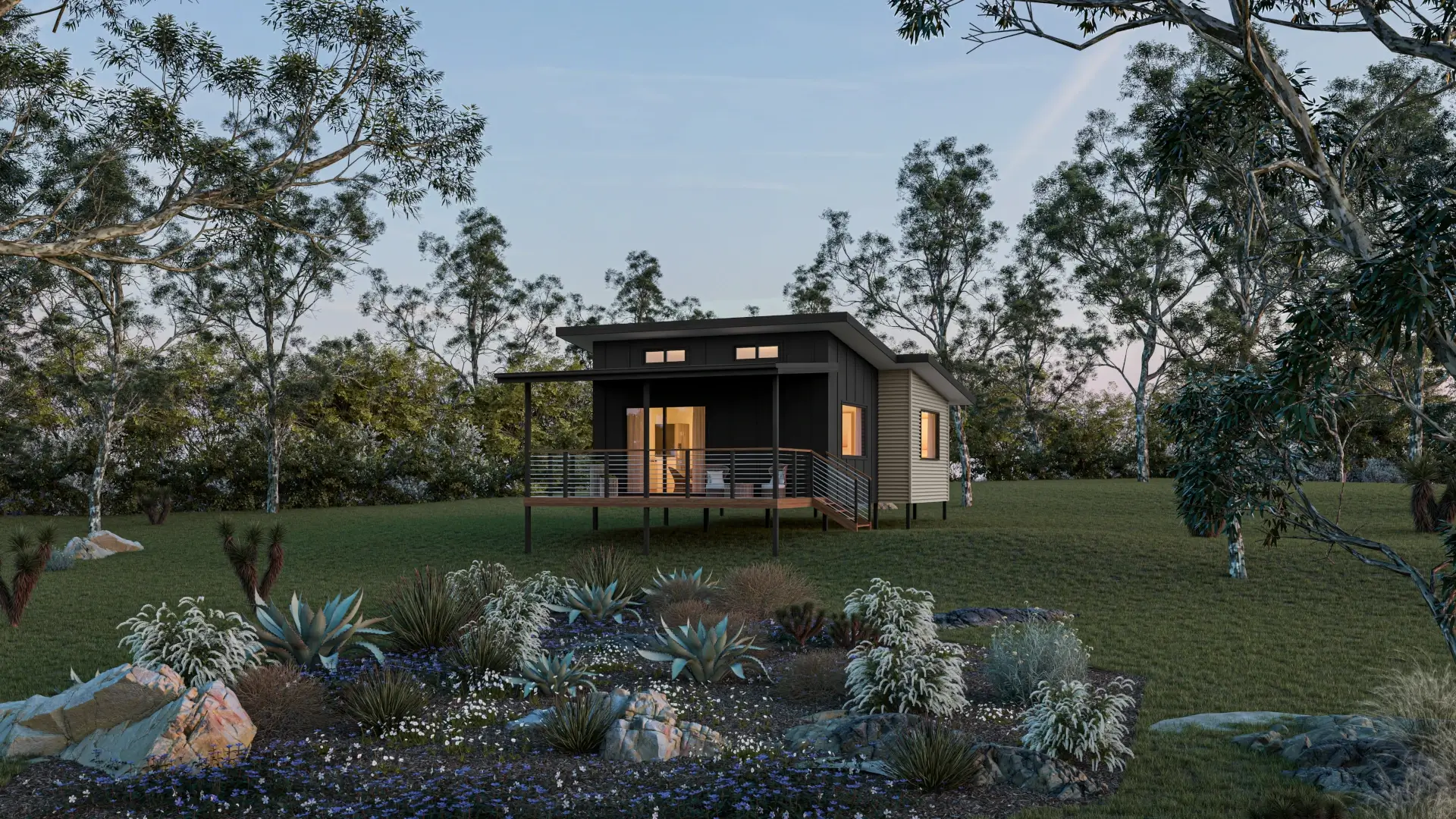
Granny Flat vs Secondary Dwelling vs Dual Occupancy: Quick Comparison
| Feature | Granny Flat (common name) | Secondary Dwelling (planning term) | Dual Occupancy |
|---|---|---|---|
| What it is | Everyday name commonly used for a secondary dwelling | A second, smaller dwelling associated with the primary home | Two independent dwellings on one lot |
| Relationship between dwellings | Subordinate to the main house | Subordinate to the main house | Neither dwelling is subordinate to the other |
| Typical occupant | Family member or dependent | Family member or dependent | Separate households |
| Title arrangement | Same title as the main house | Same title as the main house | Same title initially, with subdivision or separate titling sometimes possible depending on the development and council |
| Floor area | Usually restricted and smaller than the primary dwelling | Usually restricted and smaller than the primary dwelling | Generally allows greater flexibility |
| Typical approval pathway | Follows secondary dwelling requirements | Often relatively straightforward when planning requirements are met | Can involve additional planning considerations around access, parking, services and stormwater |
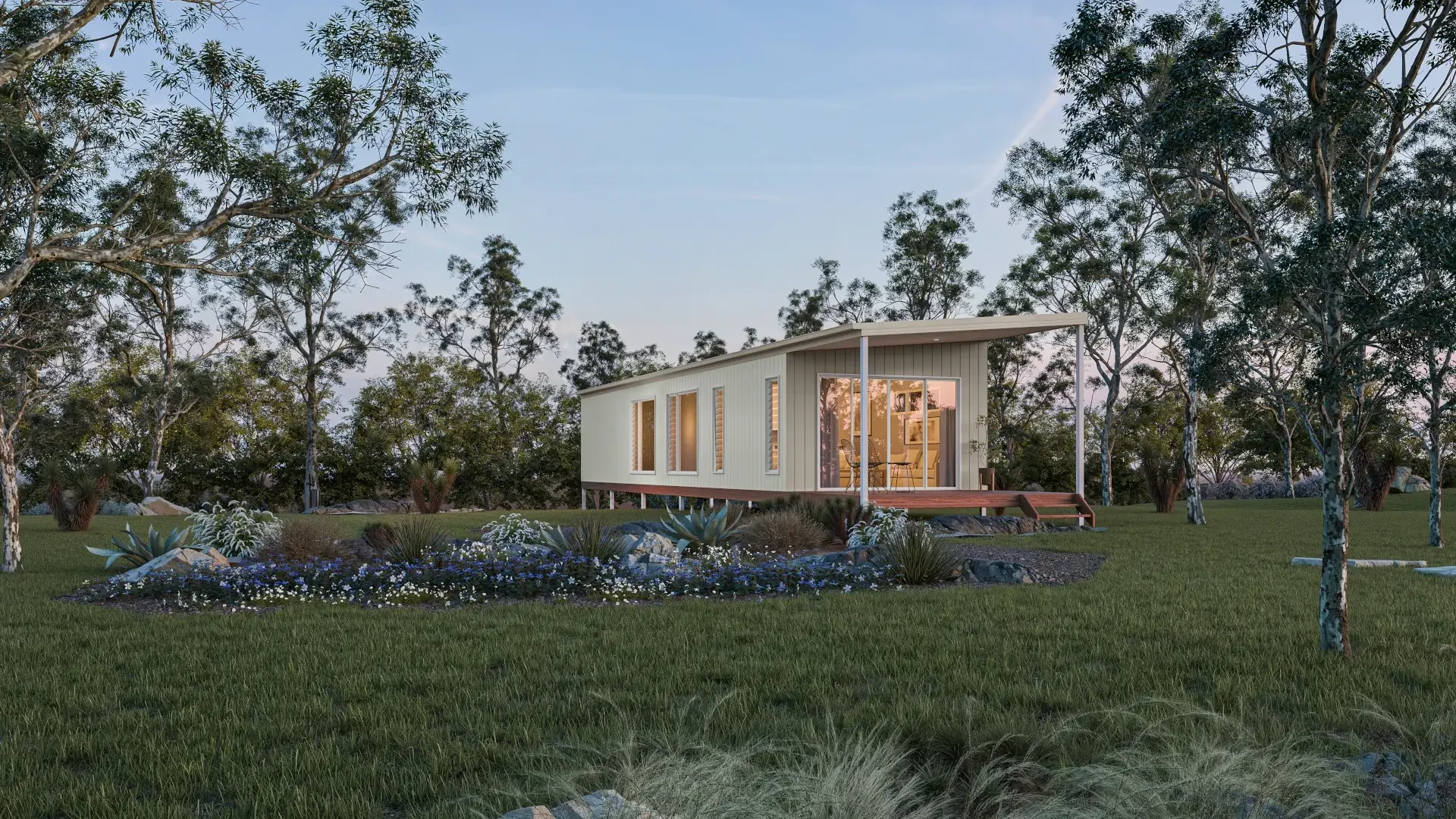
Why the Difference Matters
The terminology might sound like planning jargon, but choosing the right development category can have a real impact on your project.
Approval pathway
Secondary dwellings and dual occupancy developments fall into different planning categories. That can change the documentation required, how the application is assessed and how involved the approval process becomes.
Design and size
A secondary dwelling is intended to remain secondary to the main home, so limits around its size and configuration may apply.
With dual occupancy, neither home is subordinate to the other, which can provide more flexibility when designing two independent dwellings.
Future flexibility
Thinking about the long term is important too.
If you eventually want the option of separately titling or selling one of the dwellings, a dual occupancy development may offer possibilities that aren’t normally available with a secondary dwelling.
Whether that’s possible will depend on the property, council and development configuration.
Rental and use
How the second dwelling can be occupied or rented can also vary between council areas.
Some planning schemes place conditions on how secondary dwellings are used, while dual occupancy developments are designed around two independent households from the outset.
That’s why checking the local requirements early can save you from designing something that doesn’t suit your longer-term plans.
We’ve covered the secondary dwelling requirements for the Sunshine Coast, Gympie, and Noosa council areas separately.
Which One Do You Actually Need?
If you’re still unsure which option fits what you’re trying to achieve, start with how you want the second dwelling to function.
A secondary dwelling (granny flat) may suit you if:
You want a smaller, self-contained home alongside your existing house
You’re comfortable keeping both dwellings on the same property title
You’re looking for the more familiar secondary dwelling approval pathway
The second home is intended to support your household or family
Dual occupancy may make more sense if:
You want two genuinely independent homes on the same property
The dwellings need to accommodate separate households
You want greater flexibility around the size and function of each dwelling
Future subdivision or separate titling is part of your longer-term plan, subject to council requirements
For many homeowners we speak with across the Sunshine Coast, Gympie, Moreton Bay and Noosa, what they’re actually looking to build is a secondary dwelling — even if they initially describe it as a granny flat, teenage retreat or backyard home.
Dual occupancy is a different type of project and can make sense where two independent homes or greater long-term property flexibility are the goal.
Frequently Asked Questions
In everyday use, yes. "Granny flat" is the common name homeowners tend to use, while "secondary dwelling" is the planning term you're more likely to find in council documents and planning schemes.
No.
A granny flat or secondary dwelling is a smaller dwelling associated with the primary home on the property.
Dual occupancy involves two independent dwellings, with neither one treated as secondary to the other.
This depends on the planning rules applying to your property and council area.
Some councils may place conditions on how a secondary dwelling can be occupied or rented independently from the main house, so it's worth checking the requirements before finalising your plans.
Potentially, but it isn't automatic.
Whether subdivision or separate titling is possible depends on the local planning scheme, property configuration and the type of development proposed.
If separate ownership is one of your long-term goals, it's worth considering this before deciding between a secondary dwelling and dual occupancy.
Secondary dwellings will often have a more straightforward approval pathway when they meet the planning requirements applying to the property.
Dual occupancy developments can involve additional considerations because you're creating two independent homes, including parking, access, services and stormwater.
The exact pathway will always depend on the property and local planning scheme.
Not Sure Which Option Fits Your Property?
Choosing between a granny flat, secondary dwelling and dual occupancy isn’t just about what you call the building. It’s about what you want to achieve with the property now and in the future.
Getting that clear early can make the design and approval process much easier.
If you’re considering a secondary dwelling or granny flat across the Sunshine Coast, Gympie, Moreton Bay or Noosa, The Shed House can help you understand what’s possible on your block and find a design that suits your property, lifestyle and plans.
Get in touch with The Shed House to talk through your project →
Get Started Today
Our friendly team are ready to speak with you to discuss your project scope.